Decoding How Secure Transaction Options Shape Reward Structures for Viennese Users Exploring Slot and Table Features in Regulated Mobile Applications
Geschrieben von Petra Frank · 13.10.2026
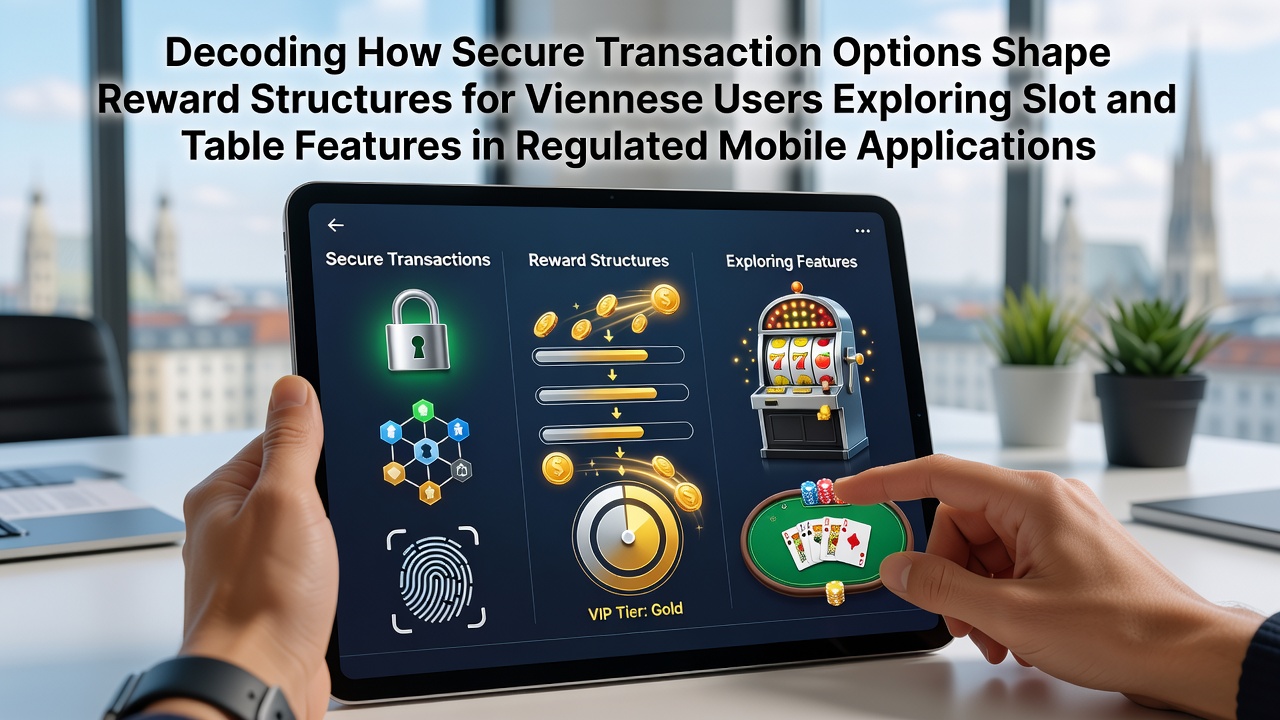
Decoding How Secure Transaction Options Shape Reward Structures for Viennese Users Exploring Slot and Table Features in Regulated Mobile Applications
Secure transaction options form the backbone of reward structures that Viennese users encounter when they explore slot and table features inside regulated mobile applications and these options determine how points accumulate, how bonuses unlock, and how loyalty tiers progress over time. Data from regulatory filings shows that encrypted payment gateways and multi-factor authentication protocols reduce processing delays while they simultaneously create audit trails that operators rely upon to validate player activity and issue rewards.
Transaction Security Protocols and Their Direct Link to Reward Eligibility
Regulated mobile applications in Vienna integrate tokenization and end-to-end encryption so that every deposit and withdrawal carries verifiable metadata and this metadata feeds directly into algorithms that calculate reward multipliers for both slot spins and table game rounds. Observers note that platforms using biometric confirmation paired with bank-grade security layers report higher rates of reward redemption because users complete more verified transactions without interruption. Studies conducted across European markets indicate that applications employing real-time fraud detection maintain stricter compliance records and therefore distribute loyalty bonuses more consistently to active Viennese accounts.
Slot Features Shaped by Verified Payment Pathways
Slot games within these applications often tie progressive jackpots and free-spin bundles to transaction history and secure channels allow operators to track wager contributions without manual reconciliation. Viennese users who rely on instant bank transfers or digital wallets receive credit for qualifying bets faster than those using slower methods and this speed translates into quicker progression through reward ladders. Research from academic institutions reveals that games featuring dynamic paytables adjust reward percentages based on verified session data and secure transaction logs supply the necessary inputs for such adjustments.
Table Game Mechanics and Loyalty Accumulation
Table features such as blackjack variants and roulette tables incorporate side bets and streak bonuses that accumulate only after transaction verification completes and this requirement stems from licensing conditions that demand transparent fund flows. Viennese players who select applications with PCI-DSS certified processors encounter fewer interruptions when they move between cash tables and tournament modes and their accumulated points therefore reflect actual play volume more accurately. Figures from industry reports compiled in October 2026 highlight that platforms emphasizing certified payment rails saw a measurable uptick in table game participation among users in regulated jurisdictions including Vienna.

Additional layers such as smart-contract verification and blockchain-based audit logs appear in select applications and these technologies further streamline how reward structures respond to user activity. Viennese residents exploring both slots and table options find that applications combining multiple security standards issue tiered benefits including cashback percentages and exclusive event invitations once transaction thresholds are met.
Regulatory Context Influencing Viennese Mobile Ecosystems
Austrian licensing frameworks require operators to maintain detailed records of all financial interactions and this obligation pushes developers to embed robust security measures that simultaneously support granular reward tracking. Data released by the European Commission demonstrates that jurisdictions enforcing strict transaction standards experience steadier growth in user retention metrics compared with regions that permit less rigorous verification. Viennese users therefore encounter reward structures that mirror these compliance demands with bonuses calibrated to verified spend and play frequency.
One study from an Australian research center examined similar regulated markets and found that applications offering diverse secure payment methods achieved higher engagement rates across both slot and table categories. Viennese platforms have adopted comparable approaches and users notice that reward multipliers scale according to the security level of each chosen transaction method.
Conclusion
Secure transaction options continue to determine the shape and accessibility of reward structures available to Viennese users who explore slot and table features in regulated mobile applications and the relationship rests on verifiable data flows that satisfy both operator requirements and licensing conditions. As platforms refine encryption standards and authentication protocols the mechanisms for distributing loyalty benefits and bonus credits evolve in tandem and October 2026 data already reflects these ongoing adjustments across European mobile ecosystems.